We look at the wall from inside and out before anyone picks up a drill, because a wall with water damage or broken siding isn't ready to be filled, and insulation packed into a wet wall just hides the problem. If yours needs repair, I'll tell you that first, and sometimes who to call for it. When the wall is ready, we cover the work area, take off or loosen the siding the way its type needs, and drill into each cavity, the empty space between two studs. We pack every cavity firm and full, top to bottom, so there's no thin spot under a window or hollow corner up high. Then we close up the holes we made, put the siding back and clean up.
Walls are only part of why a room stays hot. If air is slipping in around outlets, window trim and pipes, our air sealing services close those gaps, and it's usually worth doing both together so the new insulation isn't fighting a draft. If your house has a room below ground, basement insulation is its own job, because walls below ground take different materials than the framed walls upstairs.
Finished walls you'd rather not open
This suits most houses, where the drywall is in good shape and you'd like it to stay that way. We blow loose insulation in through small holes, usually from outside so the mess stays out of your living room, and go in from inside when the siding makes that the better route.
Walls already open for a remodel
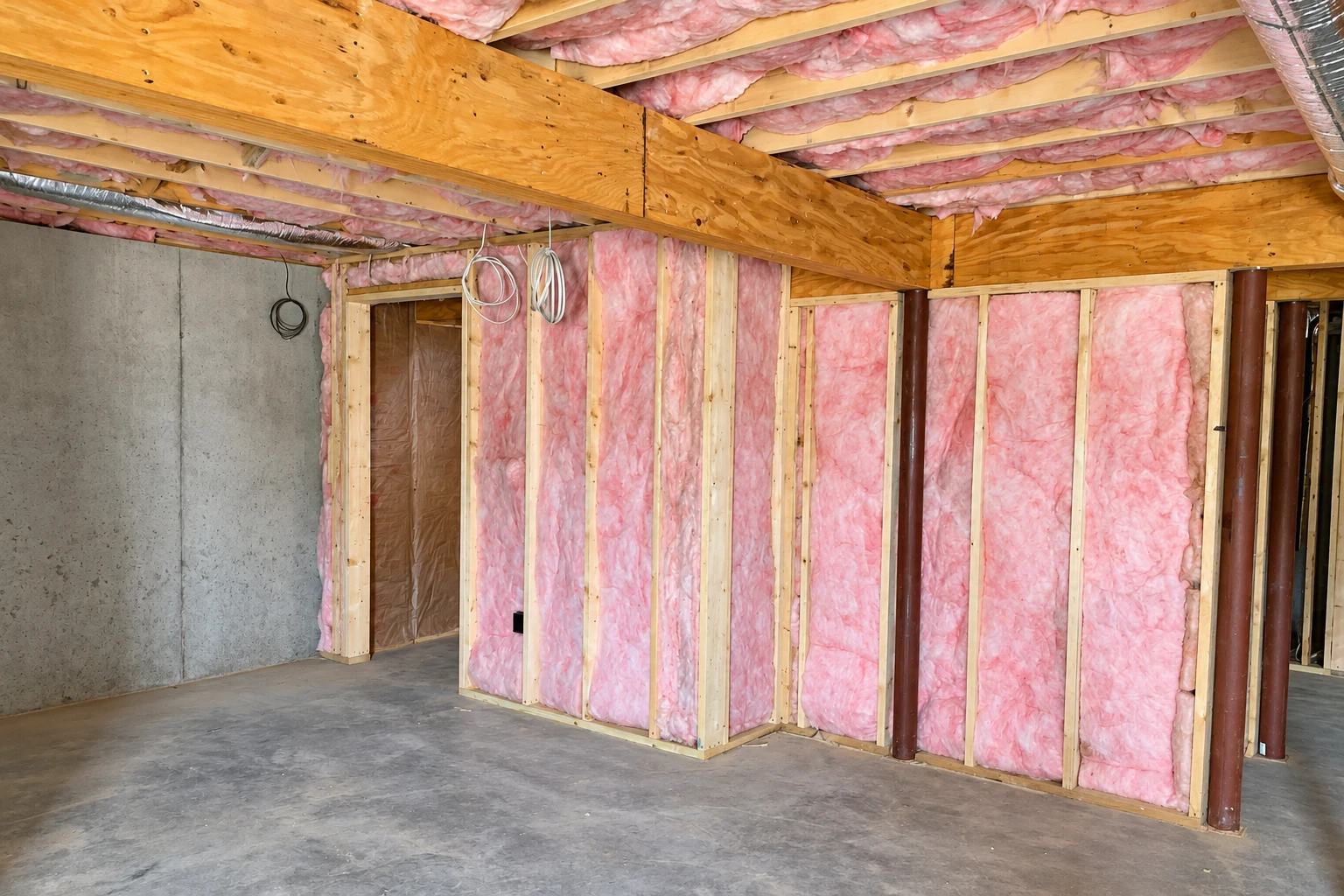
If the drywall is already off, we can see every cavity, and that opens up batts or spray foam. Foam costs more and seals air while it insulates, so I'd only steer you toward it where drafts are the main complaint.