
Seal the attic and top it up
This suits most Laredo homes, especially when the upstairs runs hot and the ducts aren't in the attic. We seal the gaps first and then add loose fill evenly over what's there, so you get the most comfort for the money.
Upstairs bedrooms hot by afternoon and a power bill that keeps climbing? We add insulation to your older home without tearing it apart.
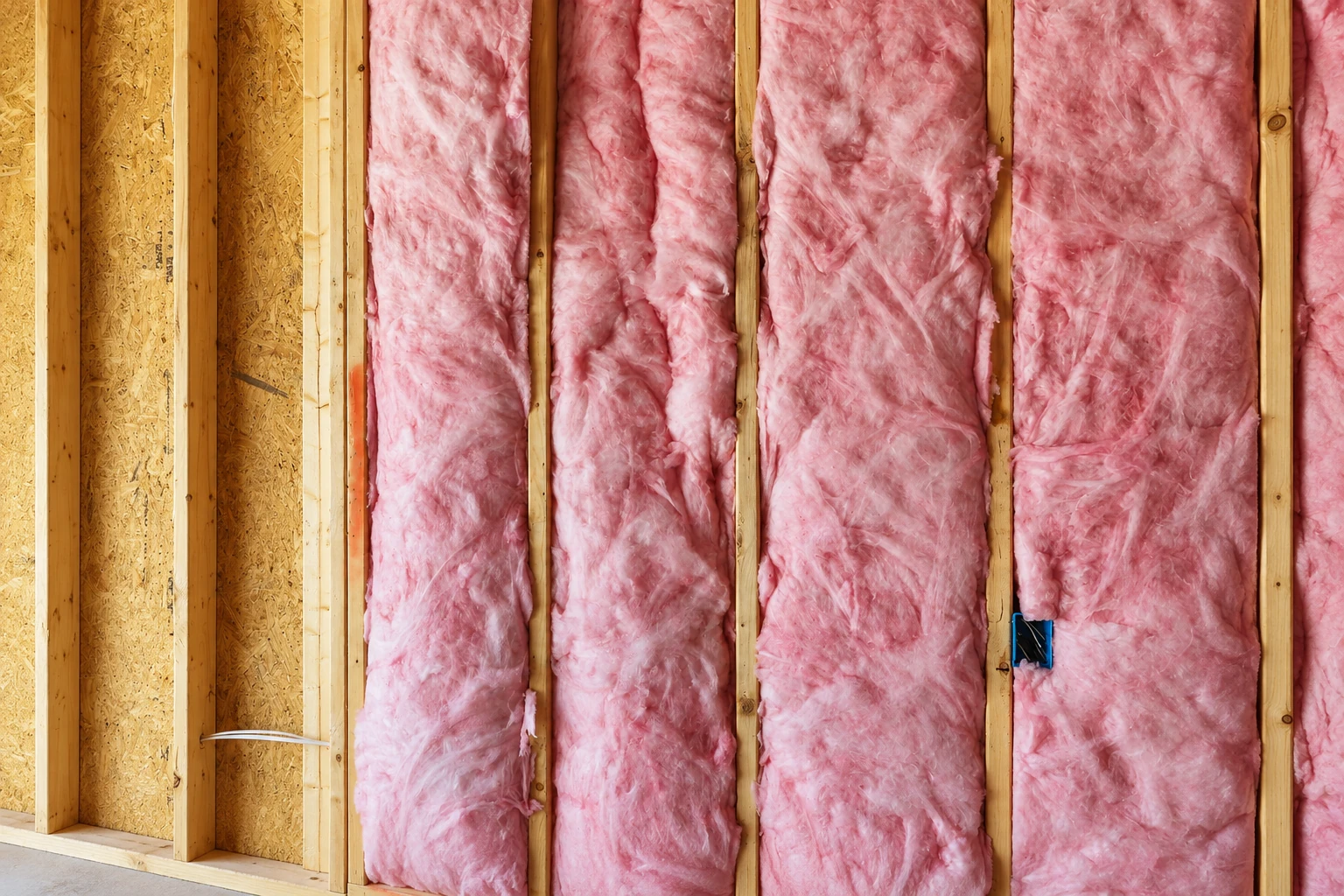
Retrofit insulation in Laredo, TX is adding insulation to the attic or walls of a house that's already built and short on it, so your rooms hold their temperature and the AC isn't running all afternoon.
Most calls start with a room that won't stay comfortable, like the upstairs bedroom, the room over the garage or a drafty back room, or with a power bill that keeps going up while the thermostat stays put. The price turns on a few things. How many inches are already up there matters, and so does whether the old insulation is soaked or full of droppings and needs insulation removal first. The number of gaps to seal and whether your walls are part of the job count too. The schedule turns on the same things, plus any moisture repairs that have to come first. Your written estimate spells out what's included, so you can see where the money goes.
I come out myself to look at your attic and walls, and I write the estimate. That means the price comes from someone who actually saw the gaps. On install day I work alongside a small crew, so I'm there when the insulation goes in.
I traded a desk job for attics, which turned out hotter but more honest. I learned insulation on another contractor's crew before we started our own business in 2023. I'll also tell you when the better move is to wait or to call someone else.
We're licensed and fully insured, and our work is backed by our satisfaction guarantee. When you're ready, call (956) 508-9070 or send the form. Tell me what's bothering you, whether it's the hot room upstairs, the room over the garage or the power bill.
We reply within one business day, and the estimate is free, done at your house and comes with no obligation. Once you call (956) 508-9070 or send the form, I come out, look at the attic and walls and write up what the job includes. It helps to tell us about any water stains or soft spots on your walls, gas appliances or a fireplace, recessed ceiling lights, and whether you're interested in the AEP Texas program.
The City of Laredo issues building permits to make sure work is safe and meets zoning, building and construction codes, and the contractor you hire usually pulls the permit. If your job needs one, we pull it as your contractor and handle the paperwork with Building Development Services. You can pull it yourself, but then the city treats you as the contractor on the project. You can check what's required on the city's permit requirements page. Across Laredo and the cities around it, we mostly see attics that bake all summer, older houses with thin attic insulation and walls with little or none, and ductwork running through the attic, which is usually where the foam question comes up.
Through the AEP Texas program, most measures may be provided at low or no cost, because the program pays its incentives straight to the participating contractor. Funding is limited and you decide which measures go ahead, so if you're interested, tell us early and we'll look into it with you. An AEP Texas representative may also pick your home for a walk-through. It's scheduled when it suits you and should only take about 10 minutes.
Your walls are ready once the outside surface, the sheathing, the window and door framing and the inside finish have been checked for moisture or other damage. Any moisture problem that turns up gets found and fixed before insulation goes in, so repairs come first in the plan.
Every opening in the attic floor gets air sealed first, which saves energy and helps prevent moisture problems up there. Hot flues get metal blocking and collars around them. Recessed can lights that aren't rated for contact with insulation get covers. If you're comparing quotes, ask whether the sealing is included.
It can be, when ventilation is planned into the job. Sealing a house tighter without enough ventilation can lower the pressure inside, and that can make a fireplace or fuel-burning appliance backdraft and pull fumes into the house. So when you have gas appliances or a fireplace, we work out the ventilation before we seal anything.
It depends mostly on what we find once we're in the attic or behind the walls. A straight top-up over clean, dry insulation moves fastest. Jobs where old material has to come out or moisture repairs come first take longer, and so do jobs that need a city permit. I'll walk you through the plan and the order of the work at the estimate.